'Breathing' walls
Born in Pan-Indian, Mediterranean.
How it works
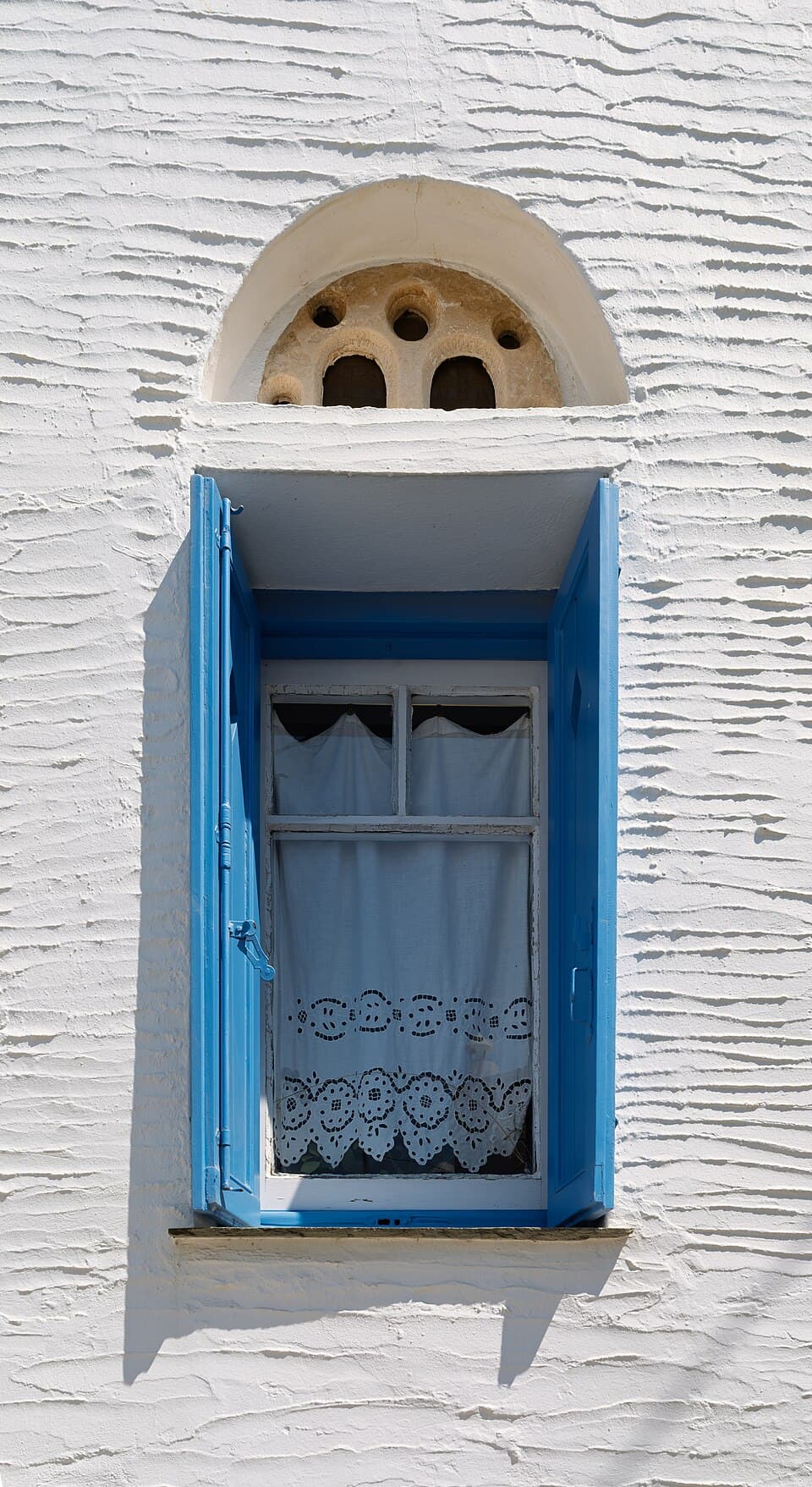
Lime renders are vapour-permeable, so walls manage moisture instead of trapping it (no damp, healthier air), and the light colour reflects heat. Durable and low-carbon versus cement.
Where it came from
Before cement, lime finished the world's buildings: Rajasthani araish polished to a marble sheen, Moroccan tadelakt burnished waterproof for hammams, Venetian marmorino. Indian building codes of craft carried lime knowledge for centuries, and conservation practice is now reviving it because cement renders suffocate old walls.
How it is built
Quicklime is slaked to a putty and matured, then applied over a lime-sand base in successively finer coats, each kept damp to cure slowly by absorbing carbon dioxide (turning back to limestone). Unlike cement, the finish stays vapour-open: walls can breathe out moisture, which keeps mass walls dry, effective, and mould-free.
In a modern home
Lime / natural plasters over cement for breathable, mould-resistant, lower-embodied-carbon walls.
What it answers
Built from
Go deeper
- Stafford Holmes and Michael Wingate, Building with Lime: A Practical Introduction (1997)
- INTACH conservation handbooks on traditional lime work in India
Source
Building-conservation literature on vapour-permeable lime renders; lower embodied carbon than cement.