Thar & Rajasthan
46°C summers, cold desert nights, a few fierce rain days.
The desert's answer is mass, shade, and an obsession with every drop of water. Streets narrow into shade canyons, jharokhas and jaalis filter the glare, courtyards breathe at night, and an entire hydraulic culture of stepwells, taankas, and johads banks the monsoon's brief generosity for the long dry.
Born here · 9 techniques
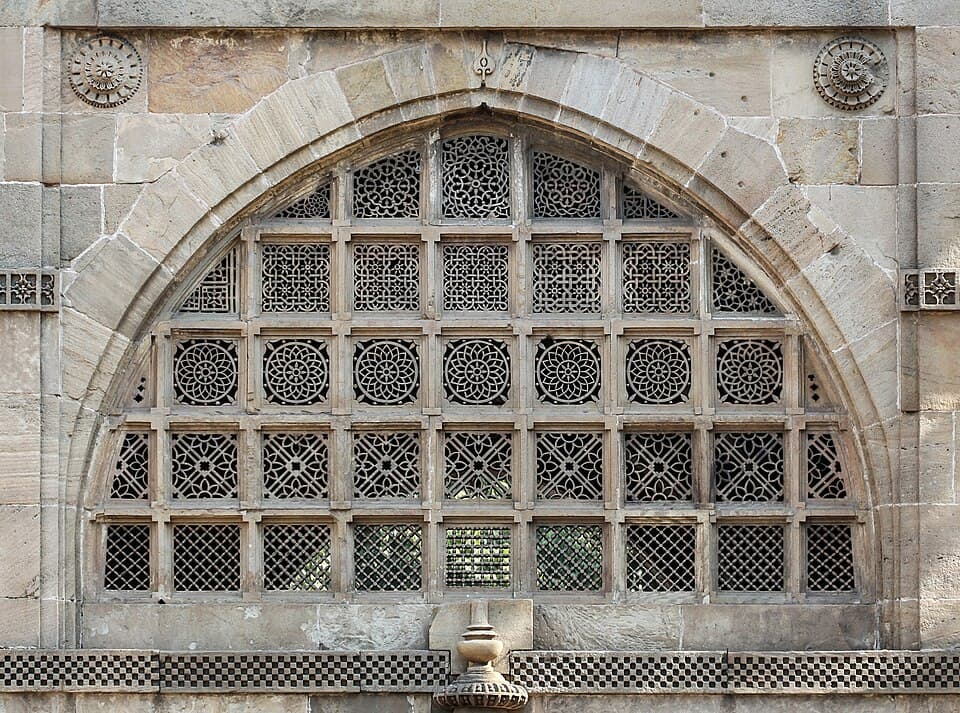
A carved stone or wood lattice. Air squeezing through many small holes speeds up and cools slightly (the Venturi effect), pushing a breeze through…
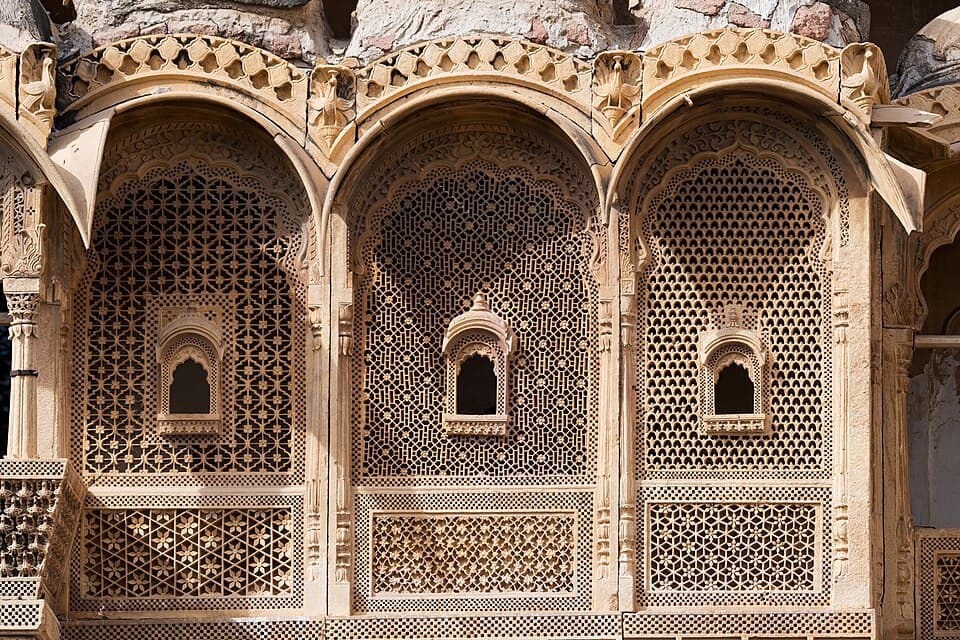
Projecting balconies and deep shaded verandahs cast a buffer zone of shadow around the building, keeping direct sun off inhabited walls and giving…
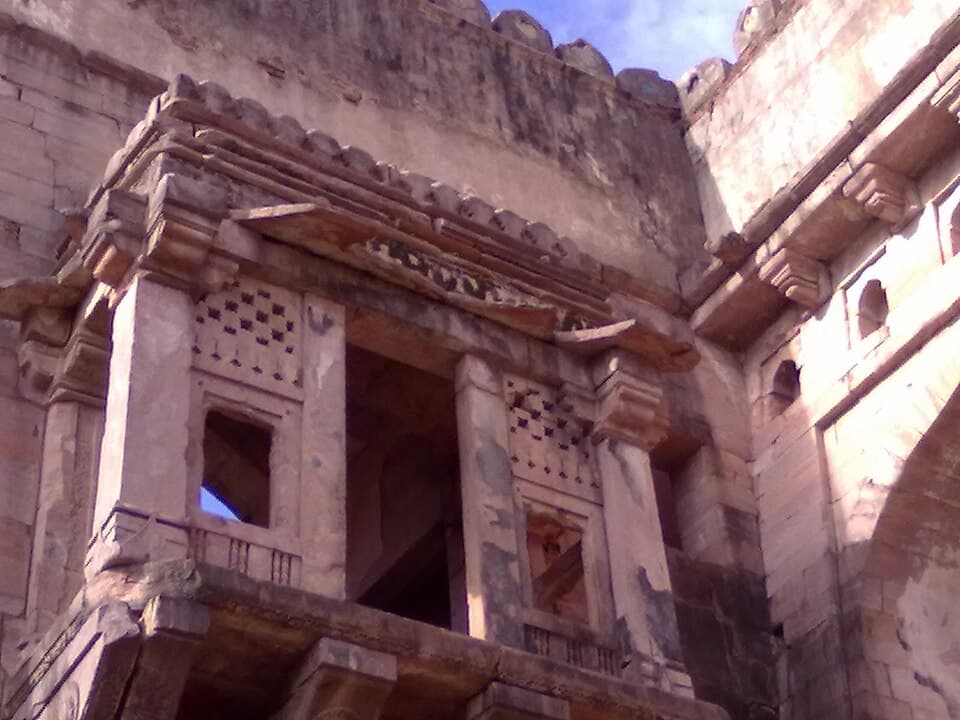
A cantilevered ledge over windows cuts high summer sun while admitting low winter sun, and throws monsoon rain clear of the wall.
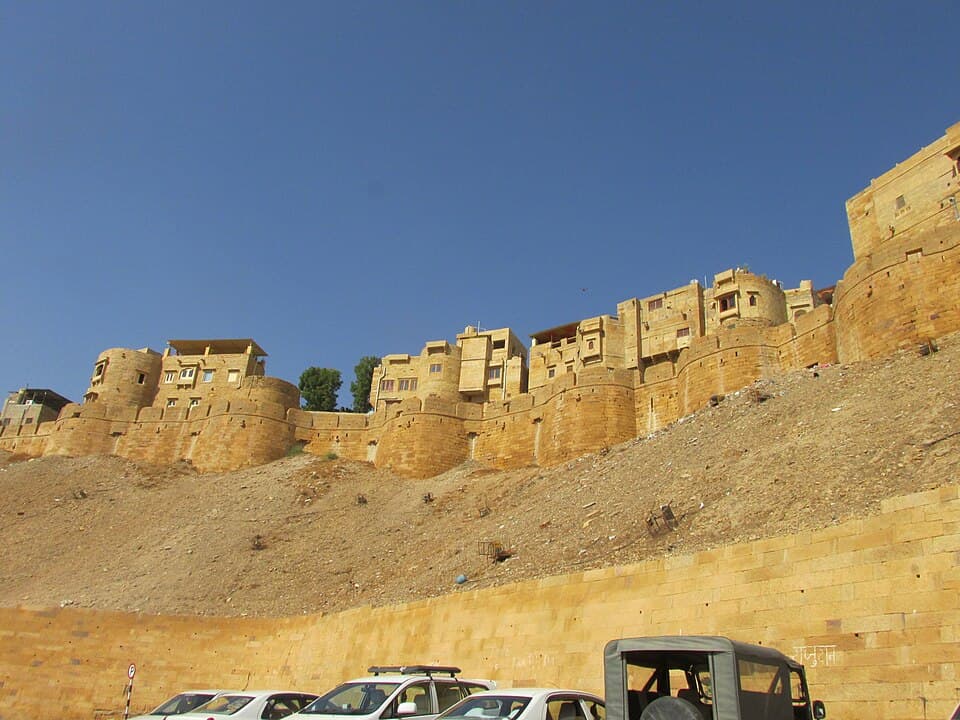
Buildings packed close, with tall light-coloured walls and narrow lanes, shade each other and the streets, cutting solar exposure of the urban skin…
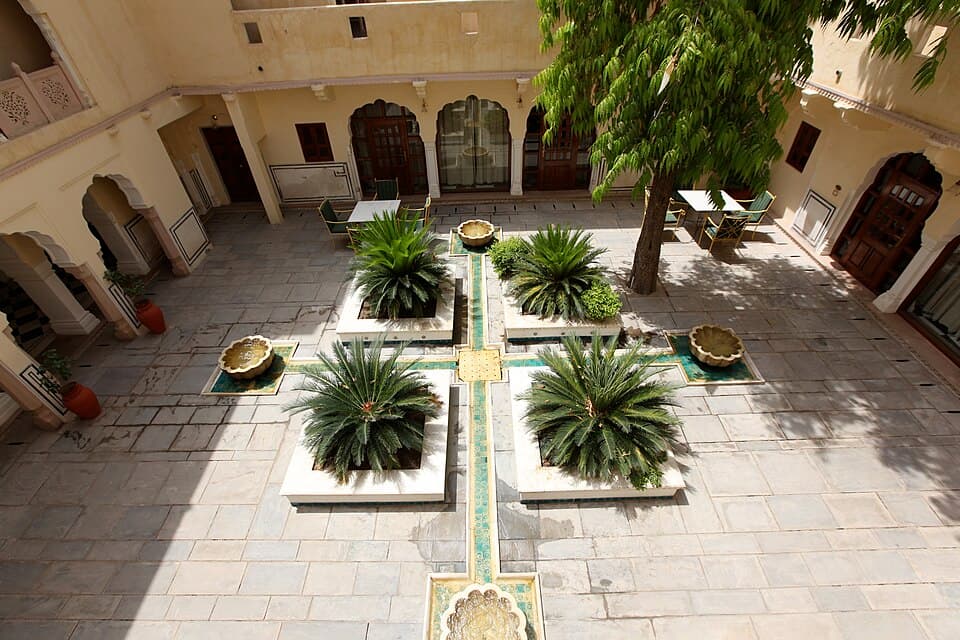
The shaded courtyard collects dense cool night air; by day, hot air rises out of the open top while cooler court air is drawn into the surrounding rooms.
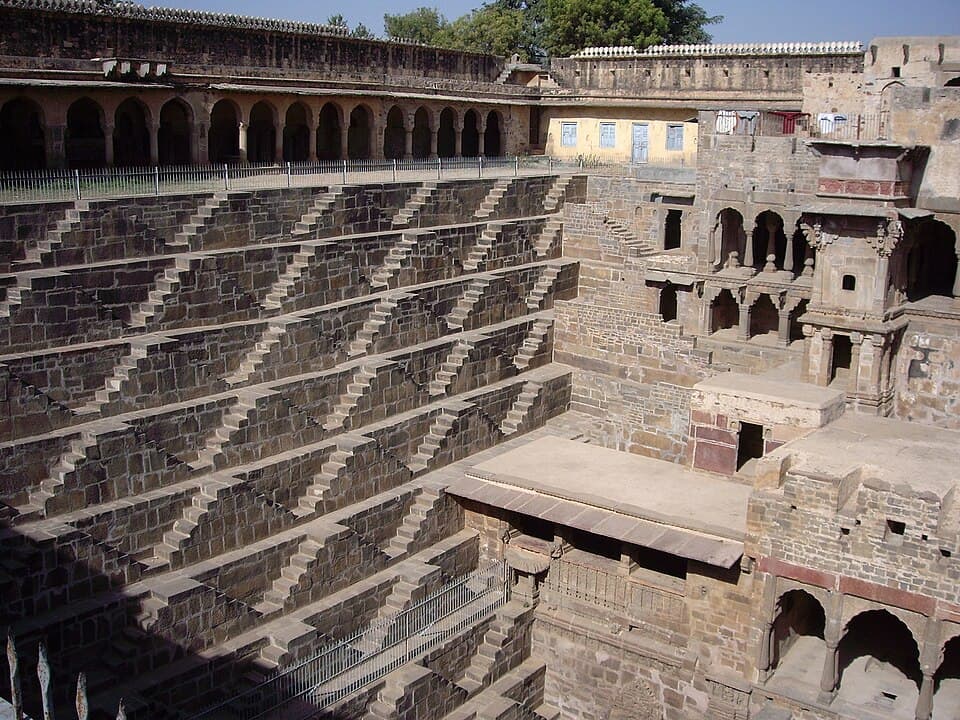
Deep subterranean wells; the descent into the earth plus the water surface creates a cool shaded refuge many degrees below ambient, while storing w…
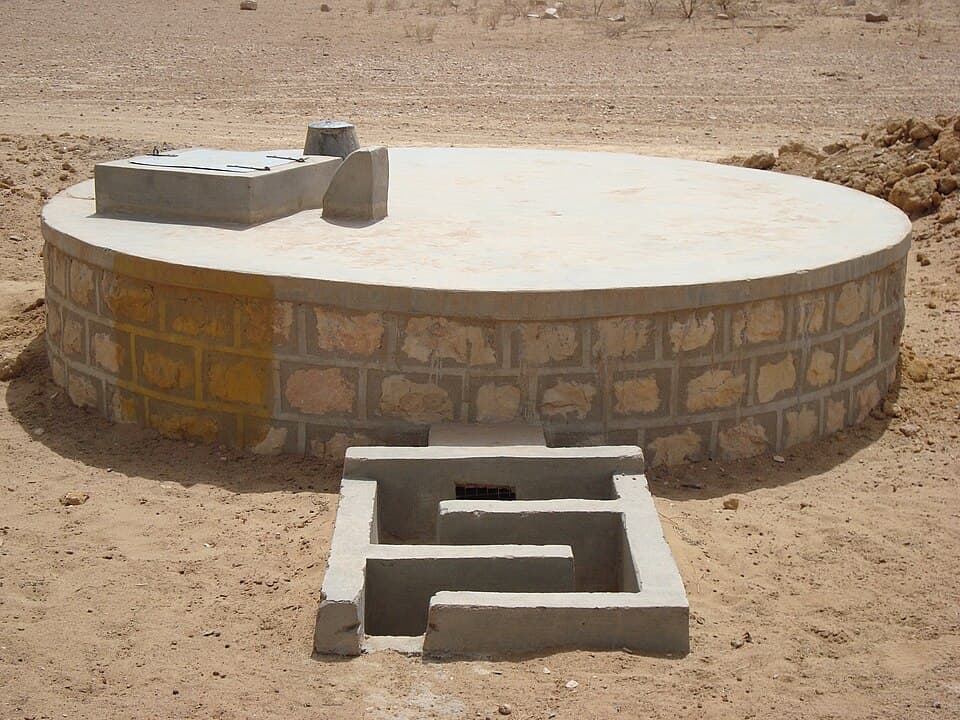
Roofs and paved catchments funnel monsoon rain into sealed underground tanks for year-round use, survival engineering in low-rainfall zones.
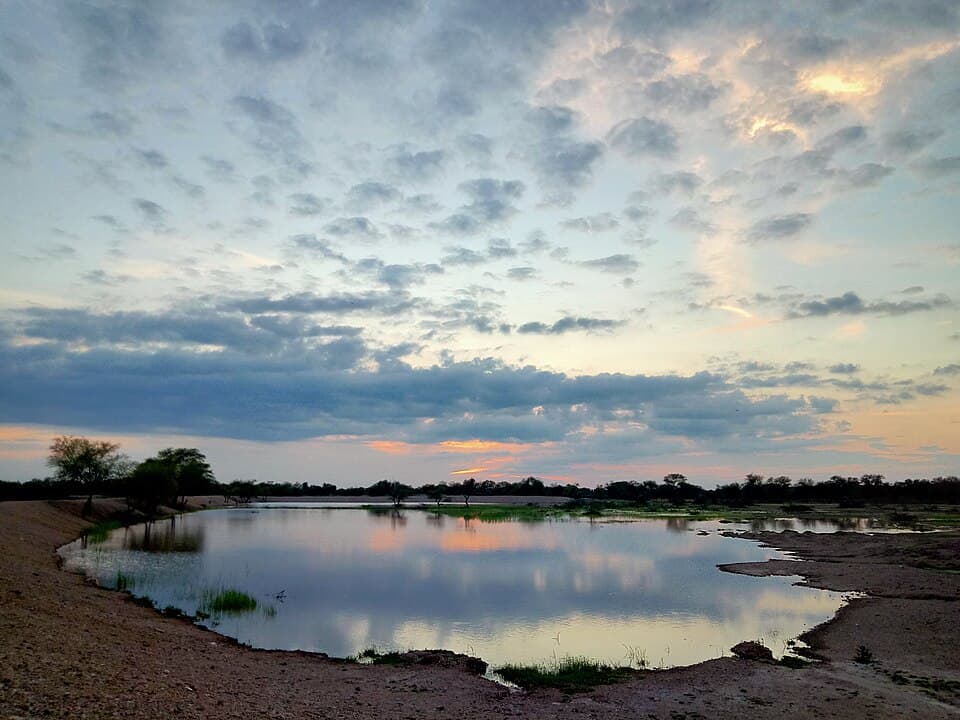
Earthen check-dams and tanks capture and slow rainwater across the land, raising the water table and buffering both drought and flood.
Screens woven from fragrant vetiver (khus) roots, hung across an opening and kept damp.